


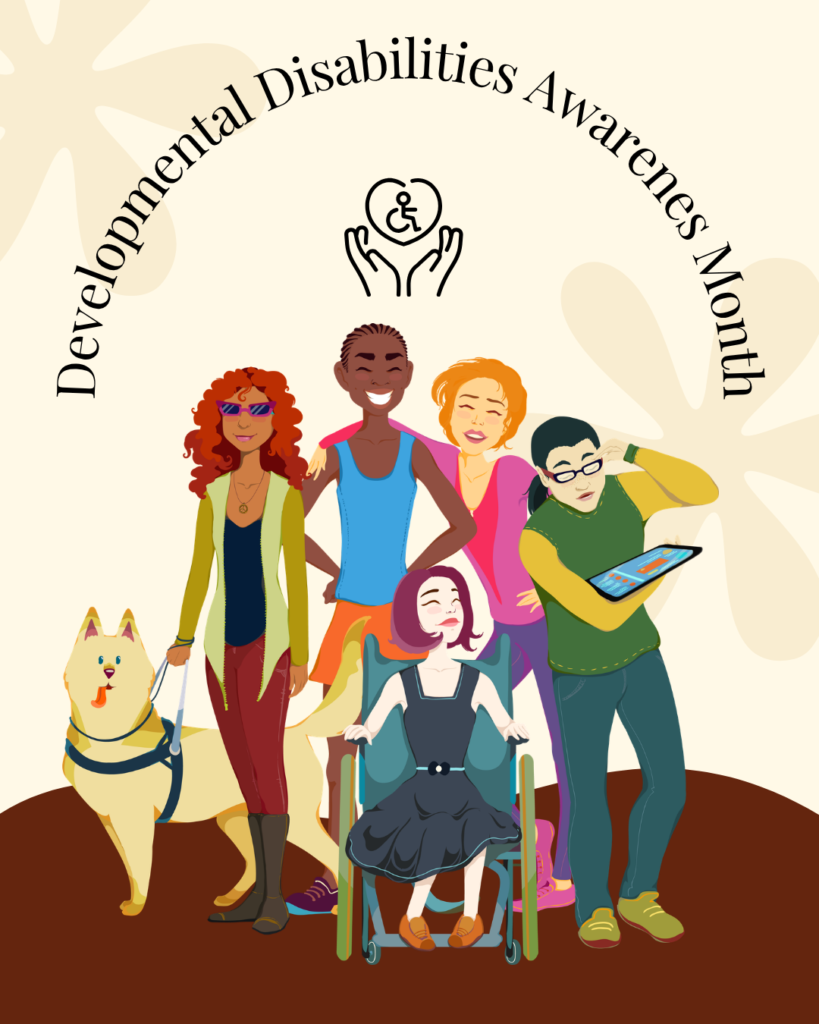
March is Developmental Disabilities Awareness Month—a time dedicated to recognizing, supporting, and advocating for individuals with developmental disabilities and the families who love and care for them.
At Wolf & Shore Law Group, this month carries special meaning. In family law, we often work with parents navigating not only the emotional complexities of divorce, but also the added layers of planning, protection, and advocacy when a child has special needs.
👨👩👧 When Family Law and Special Needs Intersect
Every family is unique. But when a child has a developmental disability, the legal considerations can become more complex than usual. These families are often balancing:
- Educational needs and IEPs
- Medical care and therapies
- Structured routines and support systems
- Long-term planning for adulthood
When parents separate, these existing responsibilities don’t disappear—they require thoughtful, detailed, and child-centered legal planning.
⚖️ Custody & Parenting Plans: It’s Not One-Size-Fits-All
For children with developmental disabilities, a standard parenting schedule may not work.
In these cases, courts (and attorneys) must carefully consider:
- The child’s specific diagnosis and needs
- Consistency in routines and environments
- Transportation to therapies and appointments
- Communication between parents and providers
Parenting plans often need to be more detailed and more flexible at the same time—ensuring stability while allowing room for evolving needs to ensure that the minor child’s best interests are taken into consideration first and foremost.
💰 Financial Support: Looking Beyond Basic Child Support
Raising a child with special needs can come with significant and ongoing financial responsibilities as well.
In addition to traditional child support, families may need to address:
- Therapy and medical expenses
- Specialized education costs
- Equipment or in-home care
- Future financial planning
In Connecticut,support may extend beyond age 18, particularly when a child is unable to become fully self-supporting.
💬 Communication is Everything
Co-parenting is challenging under any circumstances, but it is even more critical when a child has developmental needs.
Successful co-parenting in these situations often includes:
- Clear and consistent communication systems
- Shared access to medical and educational information
- A commitment to prioritizing the child’s needs above all else
💙 Our Commitment
Developmental Disabilities Awareness Month is a reminder that behind every legal matter is a family; and behind many of those families are children who need extra support, understanding, and advocacy.
At Wolf & Shore Law Group, we are committed to:
- Creating thoughtful, customized parenting plans
- Advocating for appropriate financial support
- Helping families plan for both the present and the future
Because when it comes to children, especially those with additional needs, there is no room for shortcuts.
At Wolf & Shore Law Group, we believe in addressing each case individually so that our clients end up with dissolution agreements and custody arrangements that are unique to their family and circumstance. Contact Wolf & Shore Law Group today at 203.745.3151 or info@wolfandshorelaw.com to schedule a consultation and find out how we can help you.