




High Conflict Divorce in Connecticut: Why Fighting Everything Costs More
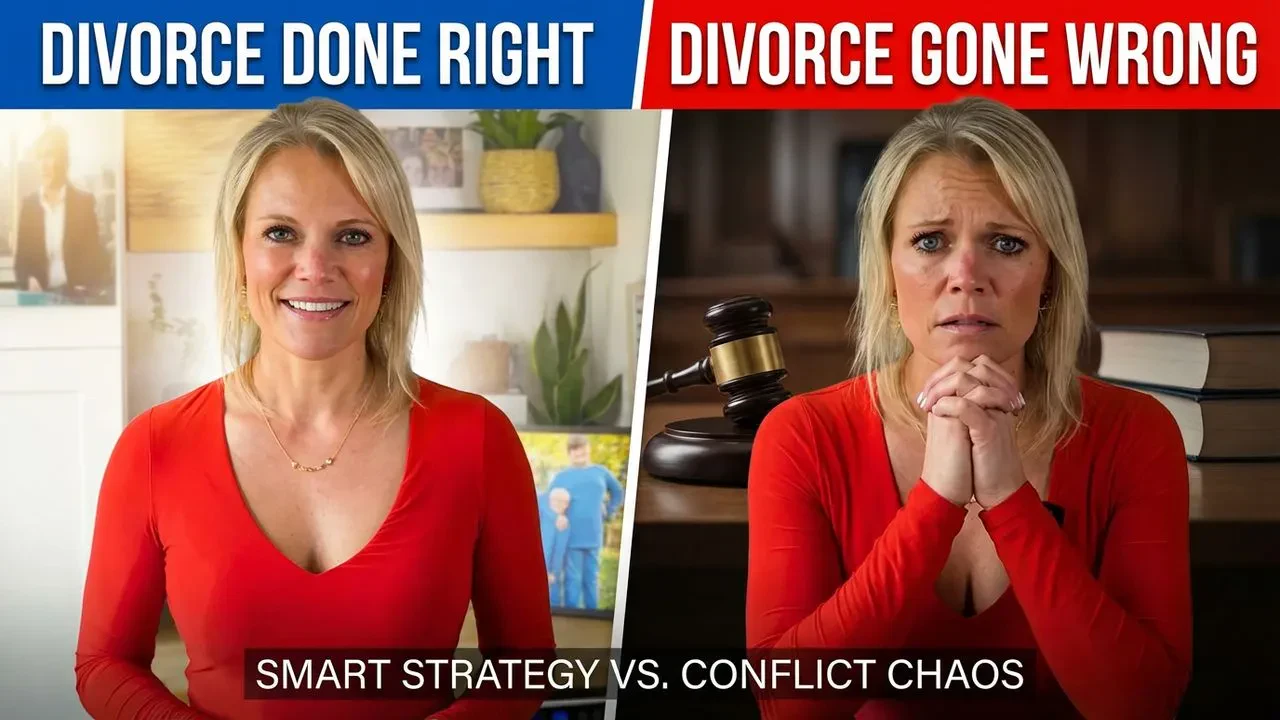
A lot of people think the hardest part of divorce will be one big moment.
- Signing the papers.
- Going to court.
- Having the conversation.
- Telling the kids.
But in real life, divorce usually gets harder in a different way.
It gets harder when every disagreement turns into a battle. When every decision becomes personal. When anger starts driving the case more than strategy does.
That is where a lot of high conflict divorce cases begin.
And once that pattern takes hold, the divorce often becomes more expensive, more stressful, and harder to move on from.
In Connecticut, divorce is handled through the Superior Court, and the law allows dissolution based on an “irretrievable breakdown” of the marriage. Connecticut law also gives the court authority over property division, alimony, custody, and related family-law issues, which means conflict in one area can easily spill into the rest of the case.
What Is A High Conflict Divorce?
A high conflict divorce is not just a divorce where people are upset.
Most divorces are emotional. That part is normal.
A high conflict divorce is usually one where the conflict begins controlling the process itself. The spouses may fight over nearly every issue, struggle to communicate productively, or make decisions based more on resentment, principle, or fear than on long-term outcomes.
That can affect:
- Property division
- Financial support
- Parenting schedules
- Custody issues
- Communication after the divorce
Connecticut’s family-law statutes reflect how many moving parts a divorce can involve. The same chapter of law governing dissolution also covers custody, alimony, mediation, and related procedures, which is one reason conflict can make the process feel so all-consuming.
Why High Conflict Divorce Costs More
This is one of the biggest things people underestimate.
They assume that fighting harder will help them come out ahead. Sometimes they believe that refusing to give in on anything is the strongest position. But in many cases, that approach just creates more legal work, more back-and-forth, and more time spent trying to resolve issues that could have been handled more efficiently.
When every issue becomes a separate war, the cost usually goes up.
That is not just because emotions are high. It is because conflict tends to create more disputes over temporary arrangements, more negotiation breakdowns, more pressure around custody and support, and more difficulty reaching final resolution.
Connecticut law allows the court to make decisions about property division and alimony based on a number of statutory factors rather than a simple automatic formula, which means the more contested the case is, the more important it becomes to approach those issues strategically rather than emotionally.
Why High Conflict Divorce Takes Longer
Conflict does not just cost money. It costs time.
Some Connecticut divorces can proceed through a nonadversarial process when the parties meet specific requirements and file a joint petition with a fair and equitable settlement agreement. Connecticut law now specifically provides for that nonadversarial path in qualifying cases.
But when the divorce is adversarial and unresolved issues keep growing, the case can move much more slowly. Disputes over finances, parenting, and other terms can drag out because the parties are not just trying to solve problems. They are often trying to prove a point, settle old emotional scores, or avoid feeling like they “lost.”
That is where time starts slipping away.
Why Children Are Affected By Ongoing Conflict
When children are involved, a high conflict divorce can create problems that last beyond the legal case itself.
A court order may end the marriage, but it does not erase the need to parent. If the conflict becomes so intense that the other parent is treated like an enemy in every interaction, that dynamic can make future co-parenting much harder.
Connecticut law makes the child’s best interests the guiding standard in custody decisions. The court is not awarding points for who is more angry, more hurt, or more determined to win. It is focused on what arrangement is in the child’s best interests.
That is one reason lowering conflict matters. It is not about pretending everything is fine. It is about protecting your children from being dragged deeper into adult conflict than they need to be.
Lower Conflict Does Not Mean Ignoring Important Issues
This is where people sometimes get the wrong idea.
A lower-conflict approach does not mean:
- Giving up
- Being passive
- Accepting an unfair result
- Ignoring serious legal issues
It means staying focused on solutions.
It means separating what matters legally from what feels satisfying emotionally in the moment.
It means recognizing that a decision made out of anger today may still affect you two years from now, five years from now, or ten years from now.
That kind of thinking is especially important in divorce because Connecticut law gives the court broad authority to make long-term decisions involving property, support, and parenting.
Why Strategy Matters Early
One of the biggest mistakes people make is waiting too long to step back and ask where the case is heading.
If every issue is being approached as a personal fight, the case can spiral before anyone really notices it. That is one reason early strategy matters so much. The sooner someone identifies the real pressure points in the case and the places where productive resolution may still be possible, the better chance they have of avoiding unnecessary delay, expense, and damage.
Connecticut law also expressly provides for mediation programs in dissolution matters, which reflects that some cases can benefit from structured efforts to resolve conflict instead of feeding it.
Final Thoughts
Divorce is already emotional. It does not need extra fuel.
When every issue becomes a fight, the divorce usually becomes more expensive, takes longer, and leaves more damage behind. That is especially true when children are involved and the relationship will not truly end after the papers are signed.
In Connecticut, divorce can move through either a more streamlined path or a more adversarial one depending on the circumstances and the parties’ ability to resolve issues. The law provides for both nonadversarial dissolution in qualifying cases and court involvement in contested issues like custody, support, and property.
The goal is not to ignore what matters. The goal is to handle what matters in a way that protects your future.
